




17 Aug Crack Stitching Explained: A Practical Guide for Property Owners
Cracks in brickwork or masonry can be worrying, particularly when they appear suddenly or continue to grow. While not every crack indicates a serious structural problem, cracking should never simply be covered with filler before the underlying cause has been understood.
Crack stitching is a specialist masonry repair technique used to stabilise cracked walls and restore strength across the affected area. When correctly specified and professionally installed, it can provide a durable and relatively unobtrusive repair without the need to dismantle and rebuild large sections of masonry.
However, crack stitching is not suitable for every situation. Before any repair begins, it is important to establish why the wall has cracked and whether movement is still taking place.
What Is Crack Stitching?
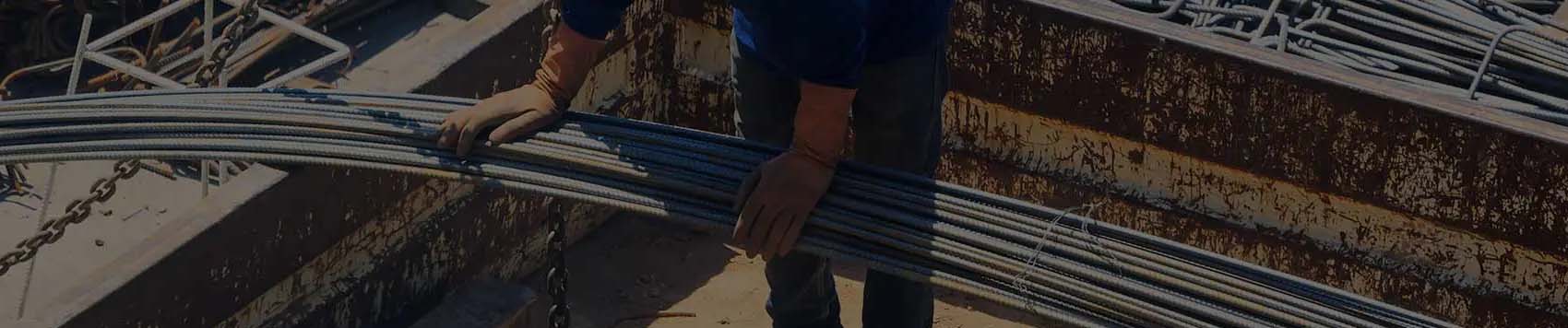
Crack stitching involves installing stainless steel reinforcement bars across a crack in a brick, block or stone wall. The bars are normally placed within horizontal mortar joints and bonded into position using a specialist structural grout.
The reinforcement effectively “stitches” the masonry together. It helps redistribute loads away from the damaged area, restores continuity across the crack and reduces the risk of the masonry separating further. Once installed, the mortar joints are repointed, leaving the reinforcement concealed within the wall.
Crack stitching can be used on many types of property, including:
- Residential homes
- Commercial buildings
- Historic and listed properties
- Boundary and retaining walls
- Brick, block and certain stone structures
- Walls affected by localised movement or material failure
The exact repair design will depend on the wall construction, condition of the masonry, crack pattern and cause of movement.
Does Every Crack Need Structural Repair?
Not all cracks are structurally significant. Fine cracks in new plaster, small areas of mortar shrinkage and minor settlement cracks may be cosmetic.
Cracks are more likely to require professional investigation when they:
- Are wider at one end than the other
- Run diagonally from doors or windows
- Follow a stepped pattern through brickwork
- Extend through both the internal and external wall surfaces
- Continue to widen or reappear after being repaired
- Are accompanied by sticking doors or windows
- Appear alongside uneven floors or distorted openings
- Develop suddenly following a dry period, flood, leak or nearby excavation
NHBC homeowner guidance notes that cracks measuring 2mm or less are generally considered cosmetic, although crack width alone should not be used to diagnose a structural issue. The location, direction, age and progression of the cracking all need to be considered.
Monitoring may be recommended before permanent repairs are completed. This helps establish whether movement has stopped, is seasonal or remains active.
How Is Crack Stitching Carried Out?
The precise specification should be prepared for the individual property, but the process will typically involve the following stages.
1. Investigating the Cause
The crack pattern and likely cause are investigated. Further drainage, ground or structural checks may be needed where movement is suspected.
2. Preparing the Mortar Joints
Selected mortar joints are carefully cut out across the crack and cleaned, creating space for the reinforcement.
3. Installing the Reinforcement
Stainless steel helical bars are placed into the joints and bonded with specialist structural grout.
4. Repointing and Making Good
The joints and visible cracks are repaired using a suitable mortar that complements the existing masonry.
5. Monitoring Where Required
Where movement has been significant or uncertain, continued monitoring may be recommended after the work is completed.
What Are the Benefits of Crack Stitching?
When it is the right solution for the property, crack stitching offers several advantages.
Minimal Disruption
Only selected mortar joints normally need to be opened, allowing the majority of the existing wall to remain in place.
Discreet Finish
The reinforcement is concealed within the wall, helping preserve the appearance of the property. This can be particularly valuable for period, heritage or exposed-brick buildings.
Restored Structural Continuity
The bars bridge the crack and help the masonry act as a connected structure again rather than as separate sections.
Suitable for Restricted Areas
The work can often be completed using relatively compact equipment, making it practical for residential properties and locations with limited access.
Reduced Need for Rebuilding
Where the surrounding masonry remains sound, crack stitching may avoid the cost, disruption and material waste associated with dismantling and rebuilding a larger section of wall.
Why Professional Installation Matters
Crack stitching is a structural repair rather than a cosmetic decorating job. The reinforcement must be installed in the correct positions and bonded into sound masonry.
An unsuitable repair can fail to control movement or may simply redirect stress into another part of the wall, leading to fresh cracks. The mortar or grout must also be compatible with the existing building, particularly when working with soft historic bricks, lime mortar or natural stone.
Professional installation helps ensure that:
- The cause of cracking has been properly considered
- The correct repair system is selected
- Bars are installed to the required depth and length
- Loads are transferred into stable masonry
- The finish is appropriate for the building
- Related defects are addressed as part of the repair
Structural repairs are not normally appropriate as a DIY project, particularly where cracking may be connected to ground movement, lintel failure or deterioration within a cavity wall.
Concerned About Cracks in Your Property?
Discovering a crack does not automatically mean that your home needs major structural work. However, early professional advice can prevent a relatively manageable defect from becoming a more expensive and disruptive problem.
The right repair begins with understanding the cause. Whether your property requires crack stitching, masonry repair, piling, underpinning or another foundation solution, U&M Group can provide the specialist knowledge and practical support needed to protect it for the long term.
Contact our experienced team today to discuss the cracking or foundation concerns affecting your property.